
Audit and Islamic Finance: International Standards and Professional Certification Opportunities Presented
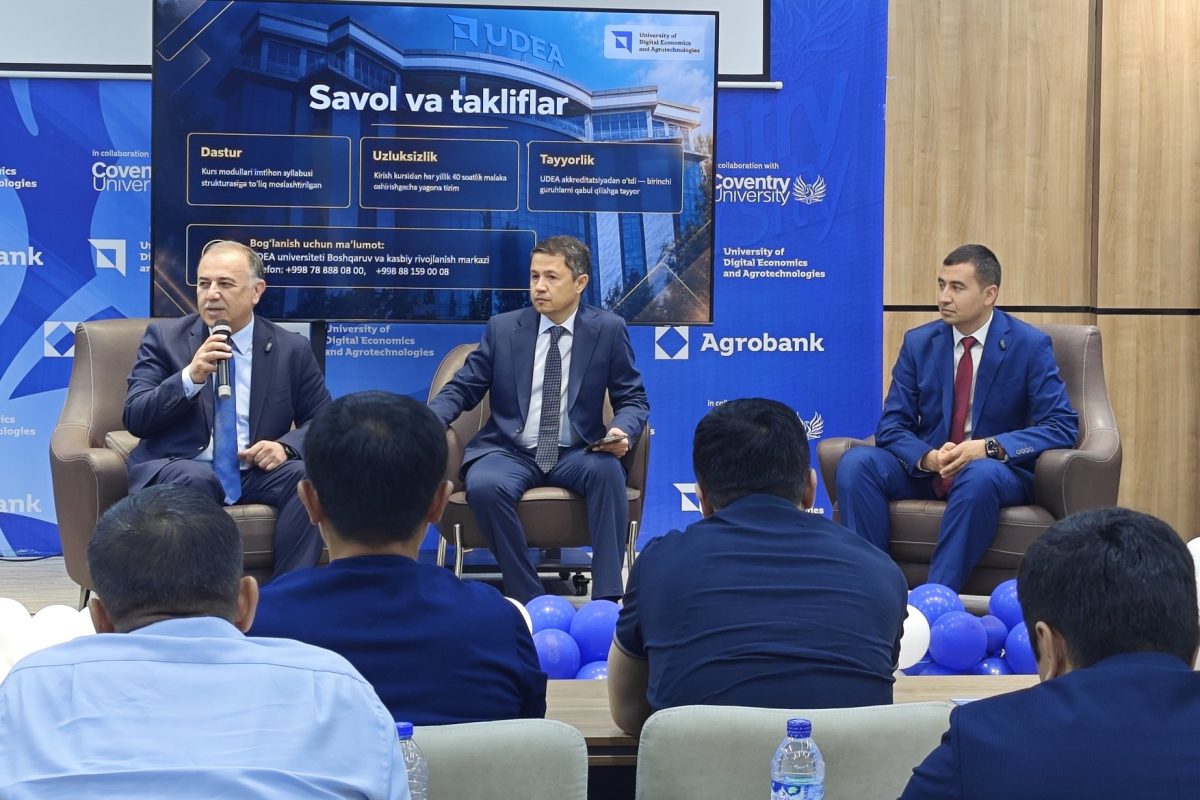
On 11 September 2026, the University of Digital Economics and Agrotechnologies (UDEA) in Tashkent, in cooperation with the Chamber of Auditors of Uzbekistan, hosted a conference titled “Audit and Islamic Finance: From International Standards to Professional Qualification”. The event focused on applying auditing standards in practice, developing talent for Islamic finance, and professional certification. Event announcement.
The conference presented the work carried out to translate the International Standards on Auditing into Uzbek. Speakers emphasised that using a single official text is essential for the correct interpretation of the standards, for improving the quality of audits, and for strengthening education and continuing professional development.
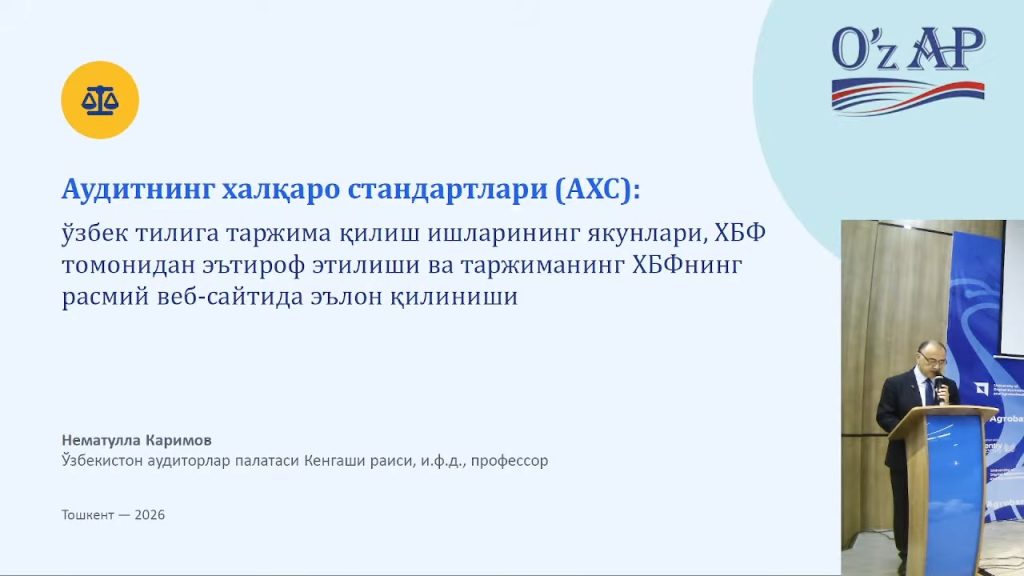
Participants were also introduced to an AI-based electronic assistant that helps users search for information on auditing standards and understand their content. The ways in which practising auditors, lecturers and students can use this tool were explained.
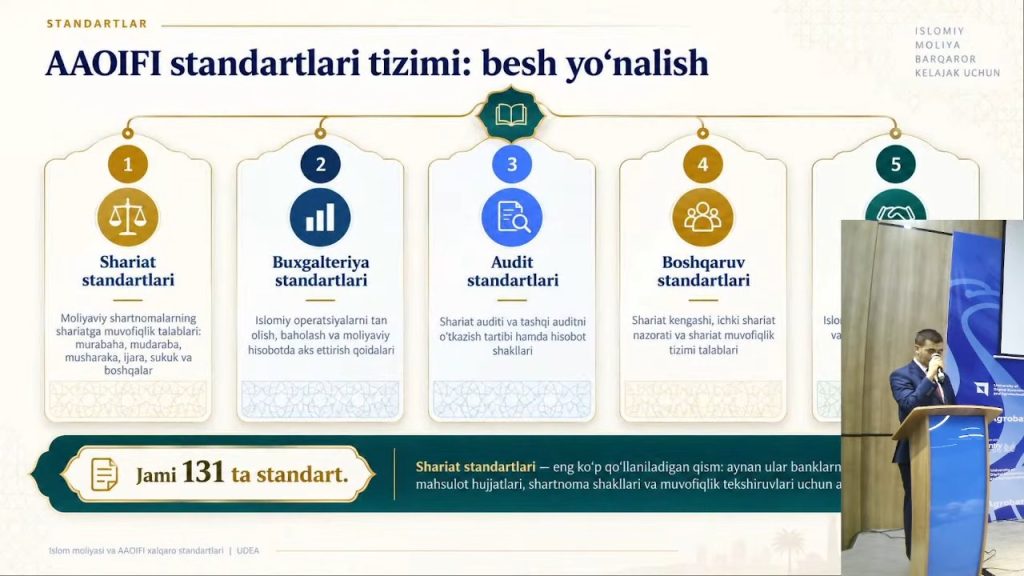
A separate part of the event was devoted to Islamic finance and the international AAOIFI standards. Experts noted that the growth of the sector is increasing demand for professionals with specialised knowledge in accounting, internal and external audit, and banking services. In this context, participants discussed adapting international experience to local practice and expanding opportunities for professional education in the Uzbek language.
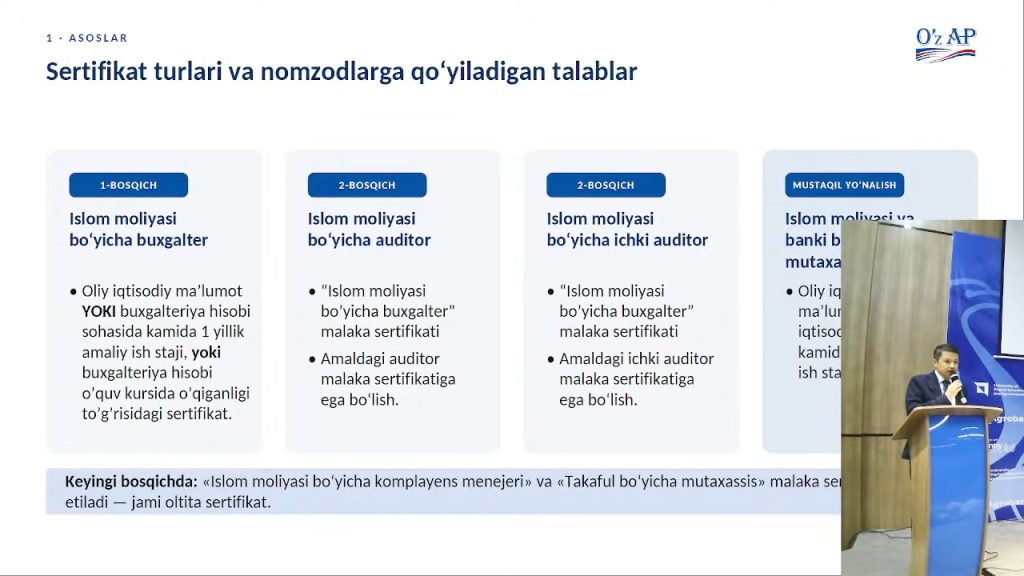
The conference also presented the Islamic finance certification system developed by the Chamber of Auditors of Uzbekistan. The presentation covered four certification tracks:
- Islamic Finance Accountant;
- Islamic Finance Auditor;
- Islamic Finance Internal Auditor;
- Islamic Finance and Banking Specialist.
Under the procedure presented, examinations are to be held once every two months, offline, on computers. Each exam consists of 100 questions, with three hours allowed for completion. The pass mark is set at 75 points, and results are announced as soon as the exam ends.
Candidate requirements and the procedures for electronic submission of documents, appeals and continuing professional development were also explained. It was noted that attending a preparatory course is not a mandatory condition for admission to the exam: candidates who meet the established requirements may prepare independently and sit the exam.
Applications for the Islamic finance qualification exams are now open on the Chamber of Auditors of Uzbekistan website. Candidates can review the certification procedure, requirements and study programmes in the Islamic Finance section and apply online through their personal account.
During the conference, the Chamber of Auditors of Uzbekistan presented the University of Digital Economics and Agrotechnologies (UDEA) with an accreditation certificate. The certificate confirms that the university has been accredited by the Chamber and entitles it to prepare candidates for the Islamic finance certificates. UDEA is the first higher education institution to be accredited by the Chamber and is ready to enrol its first groups in the preparatory courses.
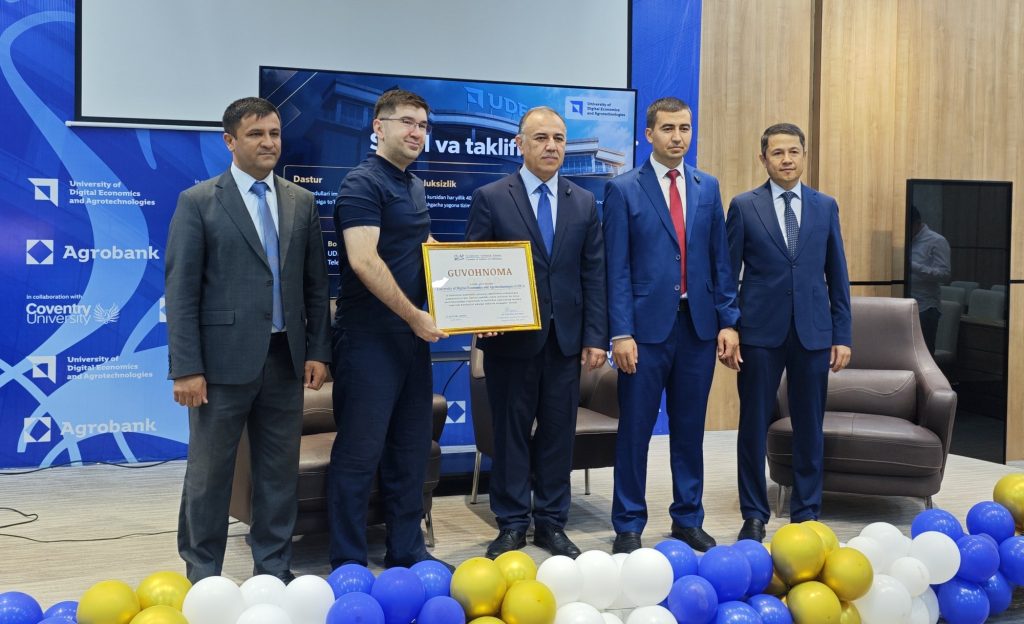
UDEA representatives provided information on preparatory courses for international and national certificates, study materials in Uzbek, and online and offline learning options.
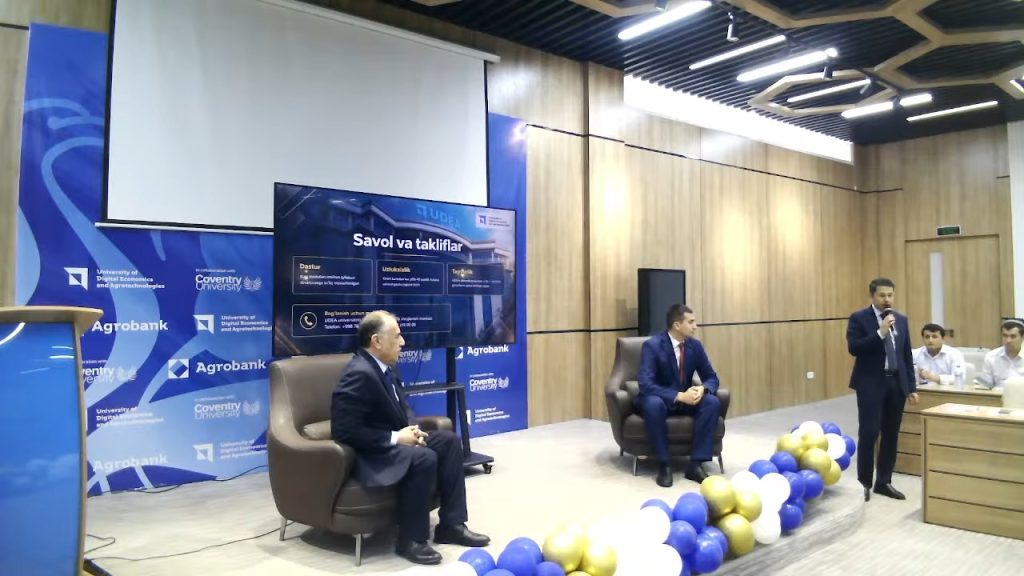
During the Q&A session, speakers answered questions on the sequence for obtaining certificates, recognition of international qualifications, exam content and the assessment of professionals’ competence.
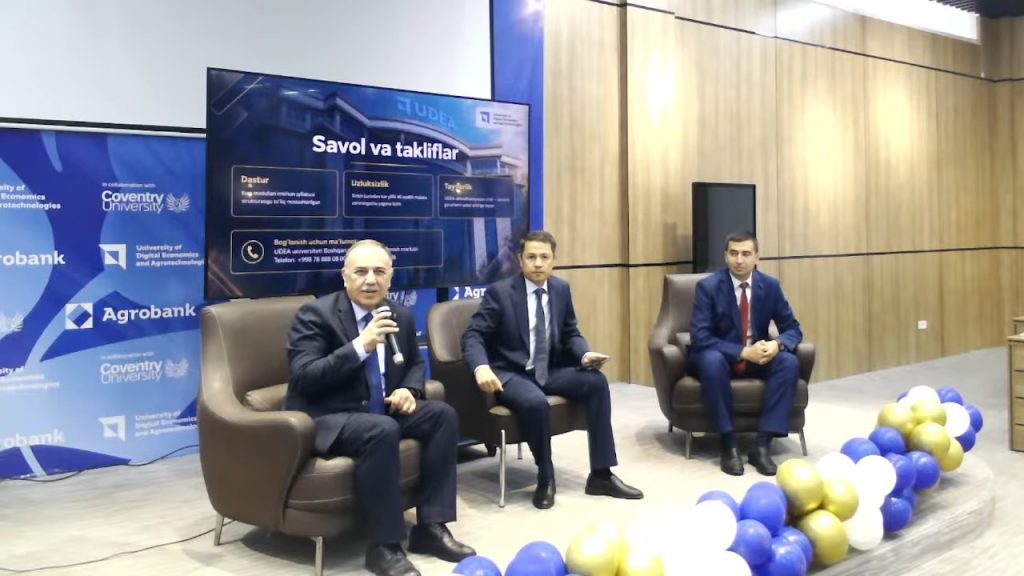
The conference presentations and discussions are available in the full video recording.